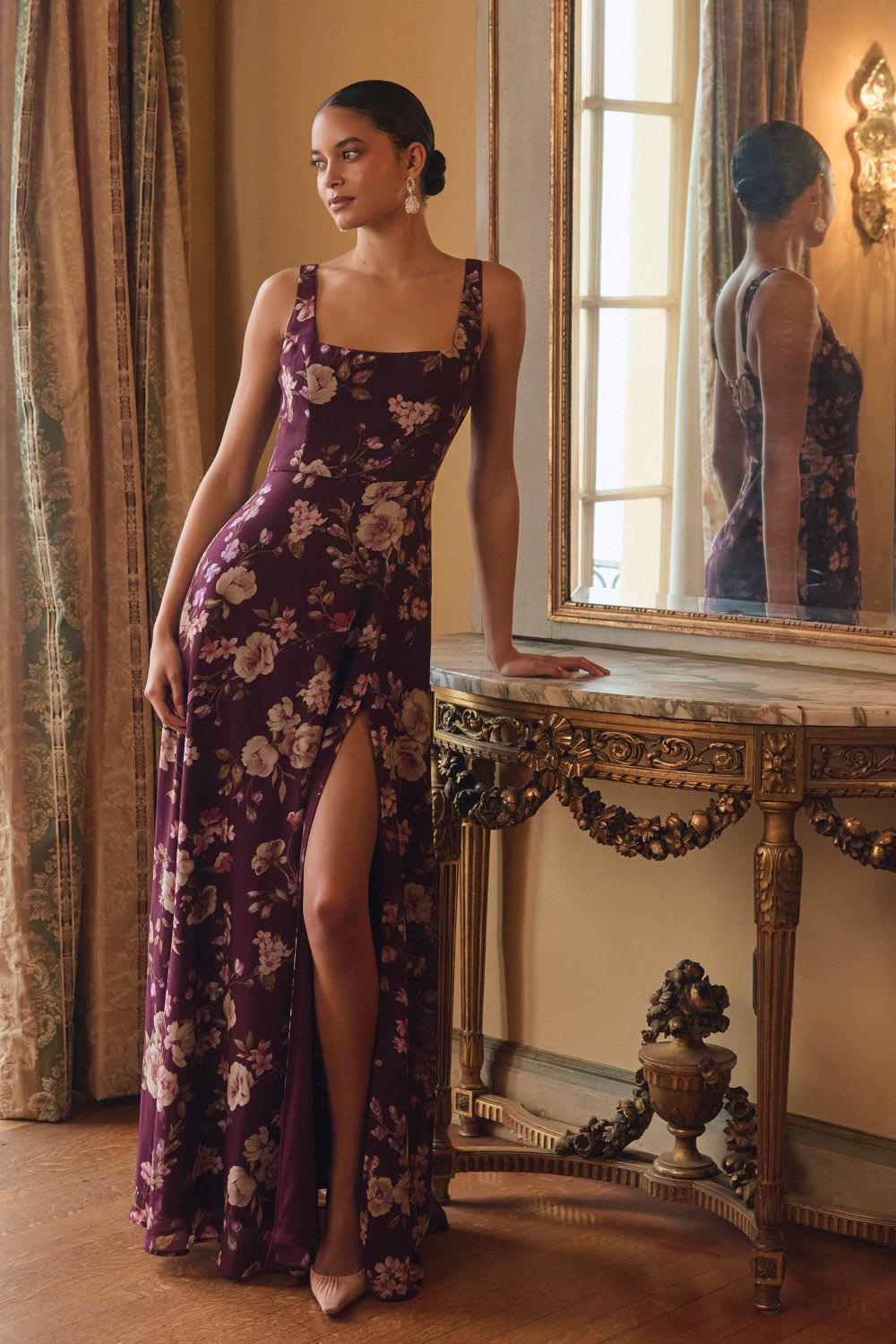



Show of hands: Who hasn’t dreamed of the perfect enchanted evening gown? You know the one. Floor-sweeping and silky, the kind that catches the light with every step. Maybe it’s draped in stunning detail, or maybe it makes its statement through pure, refined minimalism. Either way, it’s the gown you get swept away in—or the one that does the sweeping for you.
Here’s the thing, though: the princess-gown dream doesn’t have to end at prom. For grown-ups, there are galas—and gala dresses are, quite simply, your adult invitation to finally live out every ballroom fantasy you’ve ever had. Think gorgeous formal silhouettes, elevated fabrics, and the kind of details that make people stop mid-conversation to ask, “Where did you get that dress?”
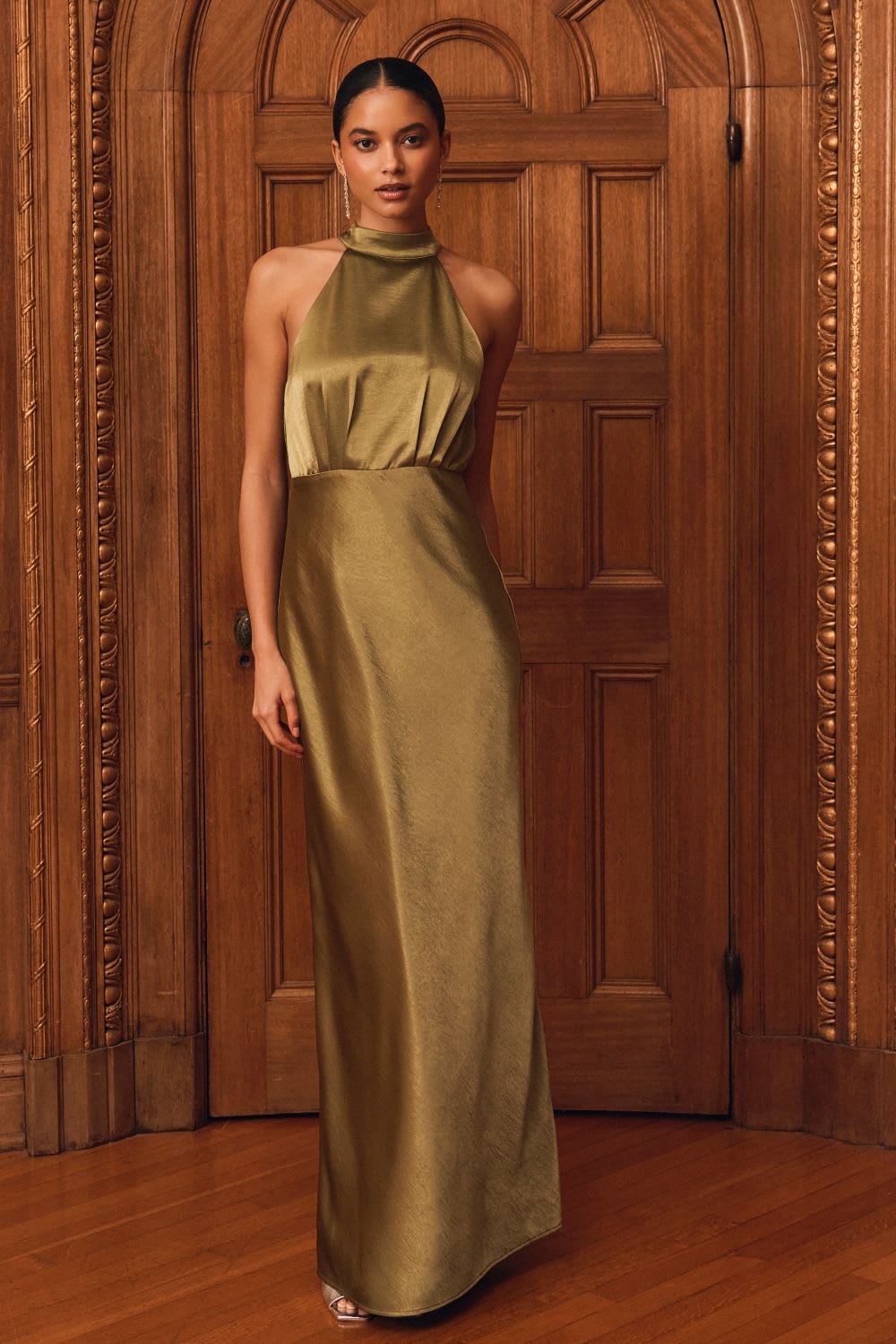
But before we get into the good stuff (and trust us, there’s a lot of it), we need to answer the most important question first: What exactly is a gala—and what does that mean for what you wear?
What Is A Gala?
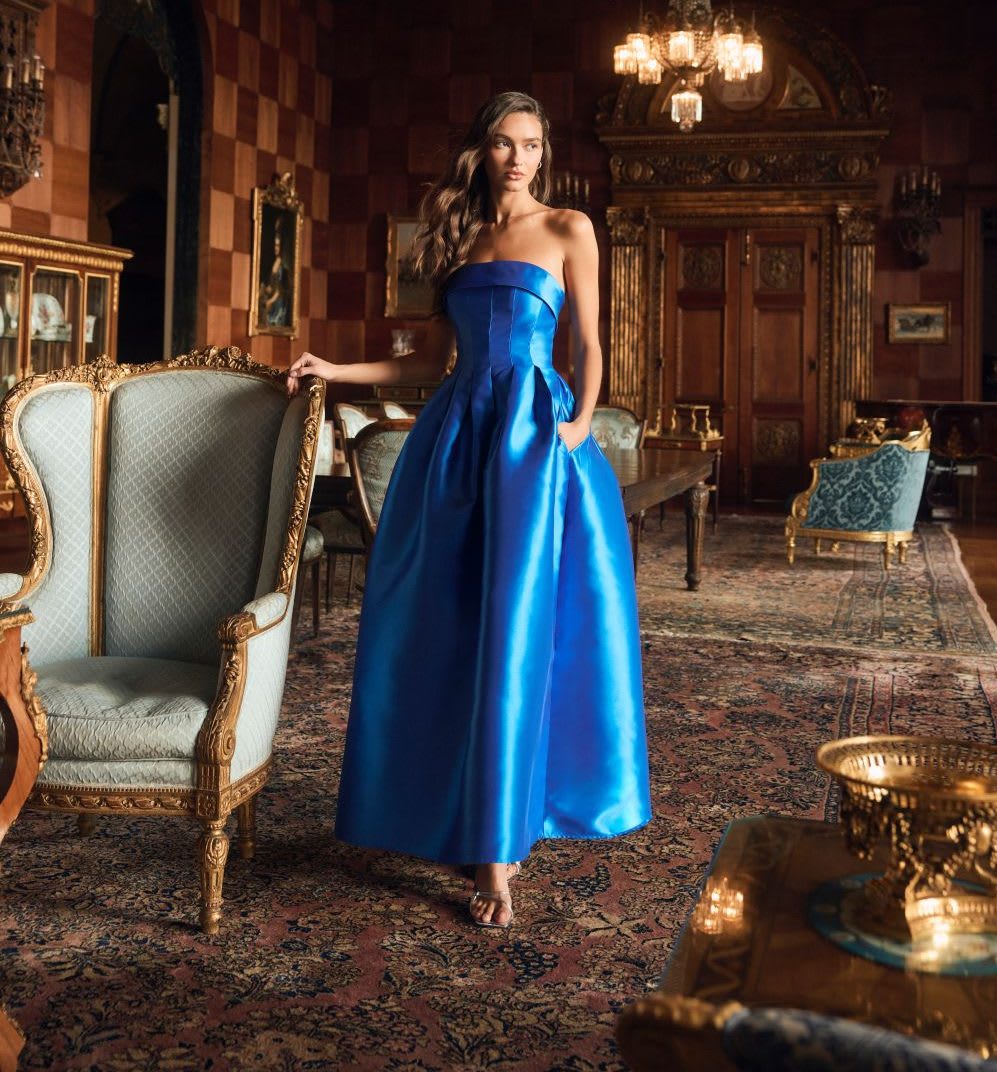
A gala (and by the way, you can pronounce it gay-la or gah-la, both are acceptable) is a formal evening event that’s equal parts celebration and spectacle. It might be a charity fundraiser, an awards night, or a cultural event, but the common thread is sophisticated structure: a planned program, a fancy dinner, a dressed-up crowd, and plenty of photos. There will likely be entertainment, and that entertainment very well may include dancing. That’s why gala dressing lives in that sweet spot between formal and statement-making. You want to look refined and elegant–but you also want to make sure you fit the dress code, which brings us to the most important gala dressing rule of all: context matters.
Where is this gala being held? Who’s hosting it? These details will shape everything about your outfit choice. Gala dress codes generally lean formal—black tie is the standard, though the fanciest events will occasionally call for white tie. The golden rule? Read your invitation carefully. (And if the terminology still has you confused, don’t worry—we’re breaking all of it down for you just ahead.)
Gala Dress Defined
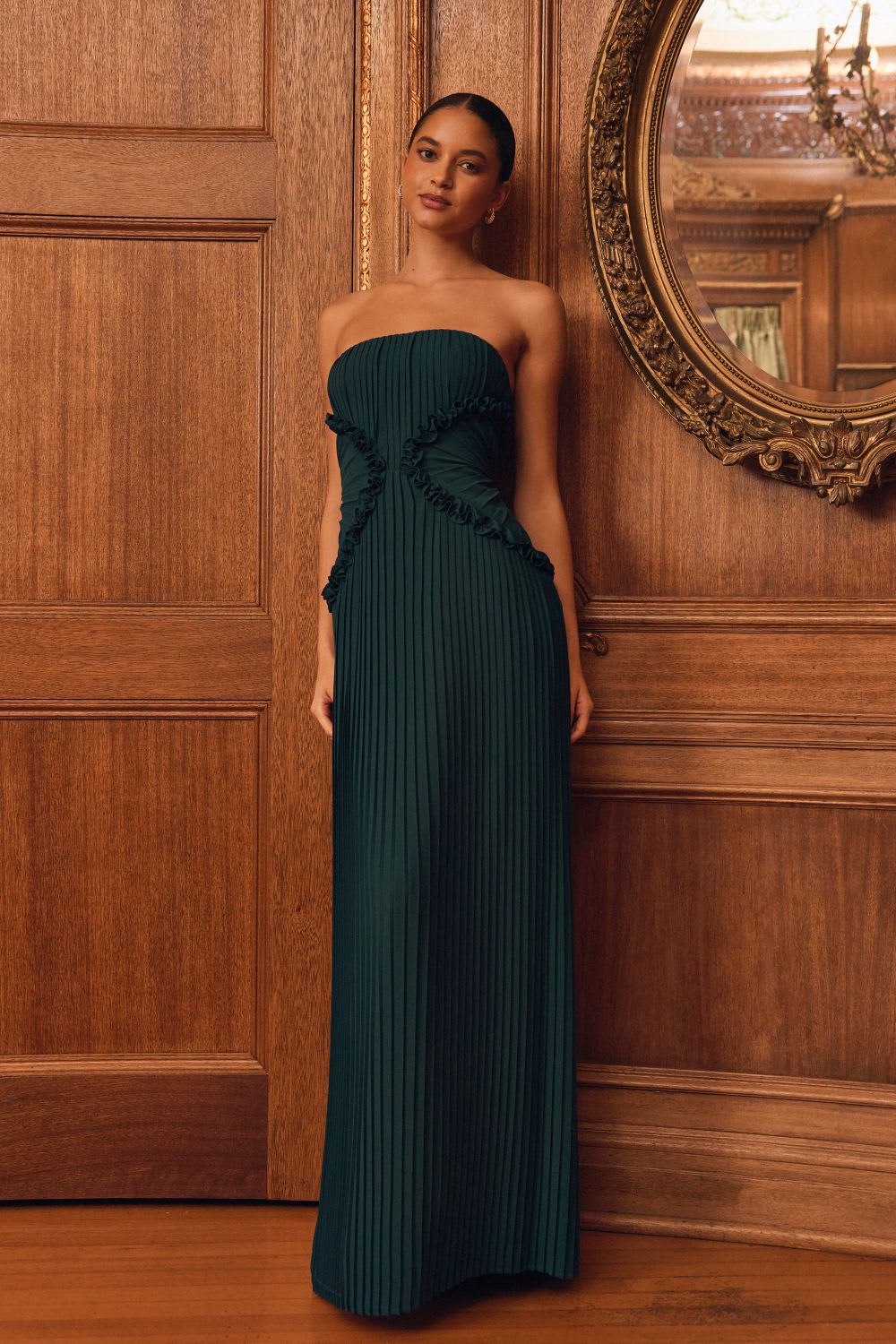
So what makes a dress a gala dress? Length is your first consideration: gala dresses are almost always long. Think a floor-length gown or a structured midi that feels elevated. Shorter styles can work if they feel luxurious and appropriate, but at a formal occasion like this, a long dress is almost always going to be your most comfortable, confident choice.
Lots of silhouettes work for gala dresses. Typically, a gala dress is structured: think princess or basque waists, corset-style bodices with boning, A-line or mermaid skirts, and other styles with a little architecture to them. Fabric choice is also important, and you have plenty of options. The guiding principle? Luxury. Lace, chiffon, tulle, velvet, and satin are all beautiful options that are inherently suited to evening wear. Whether you’re drawn to something fluid and romantic or sleek and dramatic, the fabric you choose goes a long way toward setting the tone of your entire look. Get these three elements right, and you’re already most of the way there.
Gala Dress Code Basics (Quick Guide)
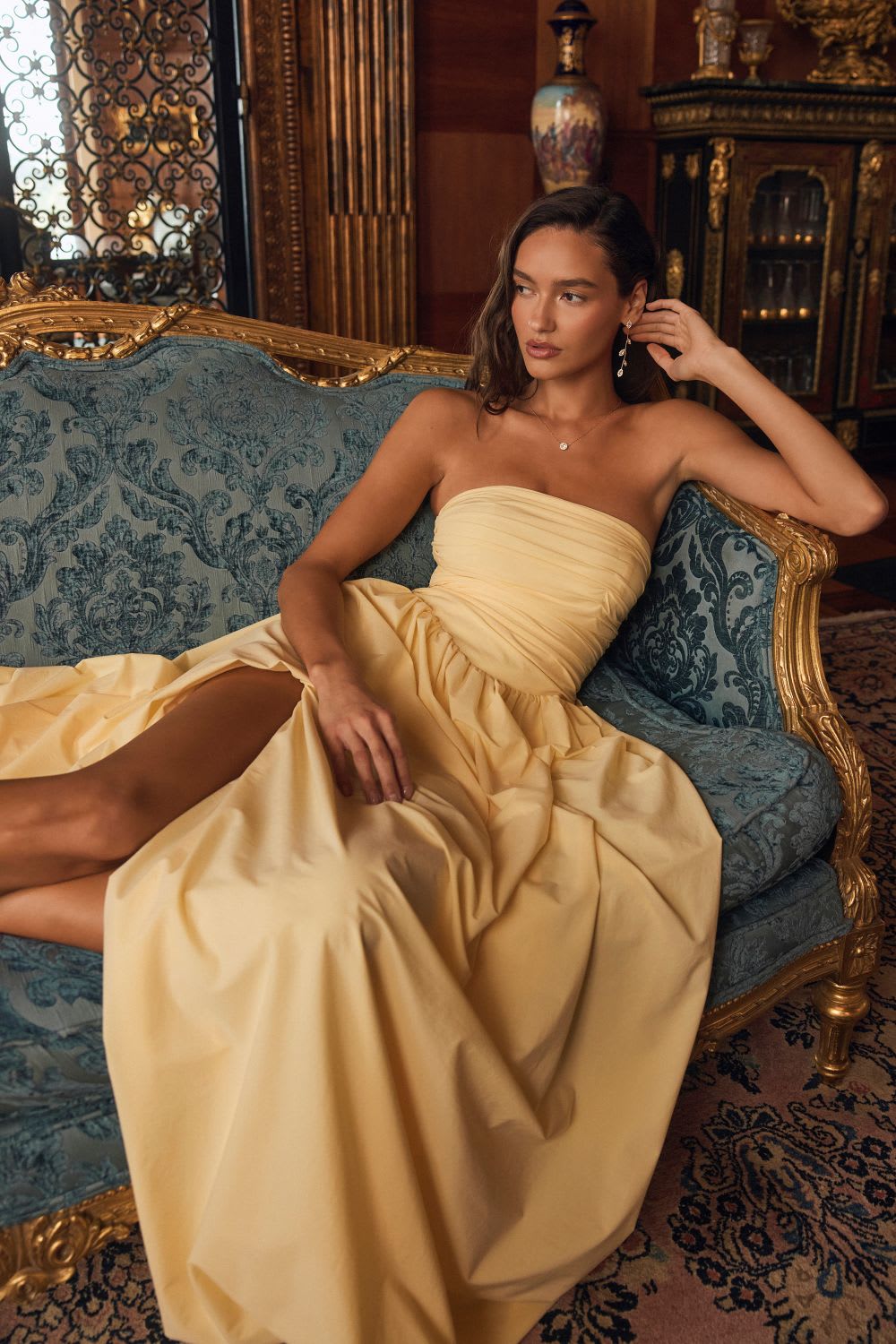
So if the invitation says black tie, what does that mean? Black tie is formal (more information about what exactly that means here!), but it still leaves room for your own personal style to shine through. For dresses, that typically means a floor-length gown, though a very dressy midi can absolutely work if it reads unmistakably formal through its fabric and styling.
When in doubt, lean into embellishment. Sequins, beading, burnout accents—anything that adds a little nighttime glow will instantly elevate your look. And don’t underestimate the power of accessories. Heels or dressy flats (yes, flats can work), a clutch rather than a crossbody, and refined jewelry—think dainty pieces or well-chosen stones—all work together to complete the picture. As for hair? Whether it’s up or down, it needs to be styled. This is not a messy updo situation.
White Tie
White tie is rare, and it is ultra-formal. If black tie is formal, white tie is formal with rules—the kind of event where people are genuinely leaning into tradition, and your outfit needs to match that energy entirely. For dresses, white tie means a full-length gown, full stop. Nothing above the ankle. This is the occasion to bring out your most dramatic silhouette, your most luxurious fabric, and your most classic styling. Accessories skew traditional here too—think formal jewelry and, yes, sometimes even opera-length gloves (yes, really). Hair and makeup tend toward the classic and structured rather than anything trendy or undone.
If your invitation says white tie, take it seriously. When in doubt, go longer, richer, and more formal than you think you need to. You genuinely cannot overdress for this one.